

Winter motorcycle riding asks a jacket to manage wind, water and insulation. Leather alone does not address all three; a textile jacket needs more than a touring label. We compare four European-market options with different layer systems, choosing by rainfall and riding conditions.
Key facts
- Wet daily riding: fixed-membrane textile, such as the Dainese Tempest 3 D-Dry.
- Travel through changing weather: Rev'it Sand 5 H2O with removable layers.
- Sport riding in dry, moderately cold weather: Alpinestars GP Plus V4 leather with thermal vest. Add an external waterproof layer for rain.
- Leather for variable weather: Rev'it Ignition 4 H2O, a leather/mesh hybrid with liners. It is a three-season garment, not our first choice for severe cold.
Which jacket for your riding?
| Use | Model | Reference price | Key feature |
|---|---|---|---|
| Wet commuting on a budget | Dainese Tempest 3 D-Dry | €299.95; observed offer €209.97 | Fixed membrane; class A |
| Travel between seasons | Rev'it Sand 5 H2O | €489.99 | Rain layer inside or outside; class AA |
| Dry sport road rides | Alpinestars GP Plus V4 | €569.95 | Leather and thermal vest; class AA |
| Leather with layers for changing weather | Rev'it Ignition 4 H2O | €499.99 | Hybrid with rain and thermal liners; class AA |
Checked on 6 October 2026. The Tempest prices are Motocard's recommended retail price and observed offer; the other three are listed European manufacturer-store prices. Size, colour and promotions affect price and availability. This is a documentary comparison without our own road tests or temperature measurements.
Waterproof textile: two ways to manage winter
Textile allows touring designs with room for layers and adjustment. Waterproof construction matters: a fixed membrane avoids installation, a removable one allows more airflow when taken out, and a laminate bonds the membrane to the shell. Dainese explains these differences in its touring guide. The two options below handle water differently.
Dainese Tempest 3 D-Dry
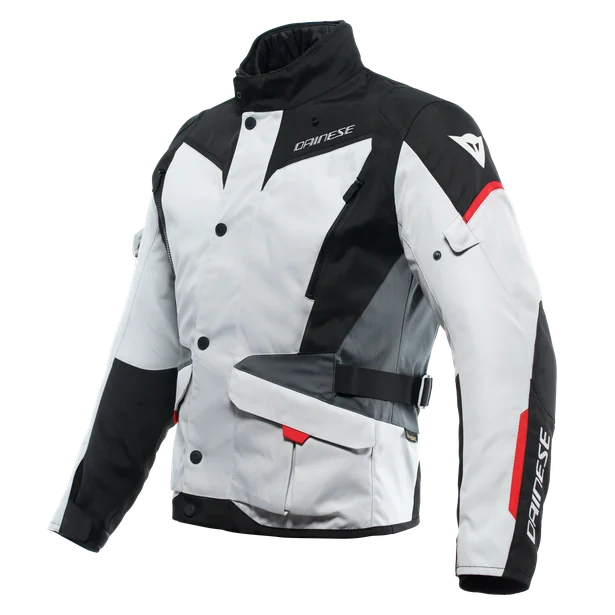
The D-Dry membrane stays installed while the thermal liner comes out. We would consider it for regular journeys in uncertain weather when a discount suits the budget. Dainese Japan's documentation shows that ventilation operates outside the membrane: remember that if you also plan to use it in summer. The manufacturer lists class A and level 2 shoulder and elbow protectors.
- Best: straightforward rain protection and discounted pricing.
- Worst: a lower garment class than this selection's AA options, and limited stock of an older generation.
- For whom: commuting and rides in cooler months. Full Tempest 3 review →
If you are considering the newer generation, see our Tempest 3 vs 4 buying comparison.
Rev'it Sand 5 H2O
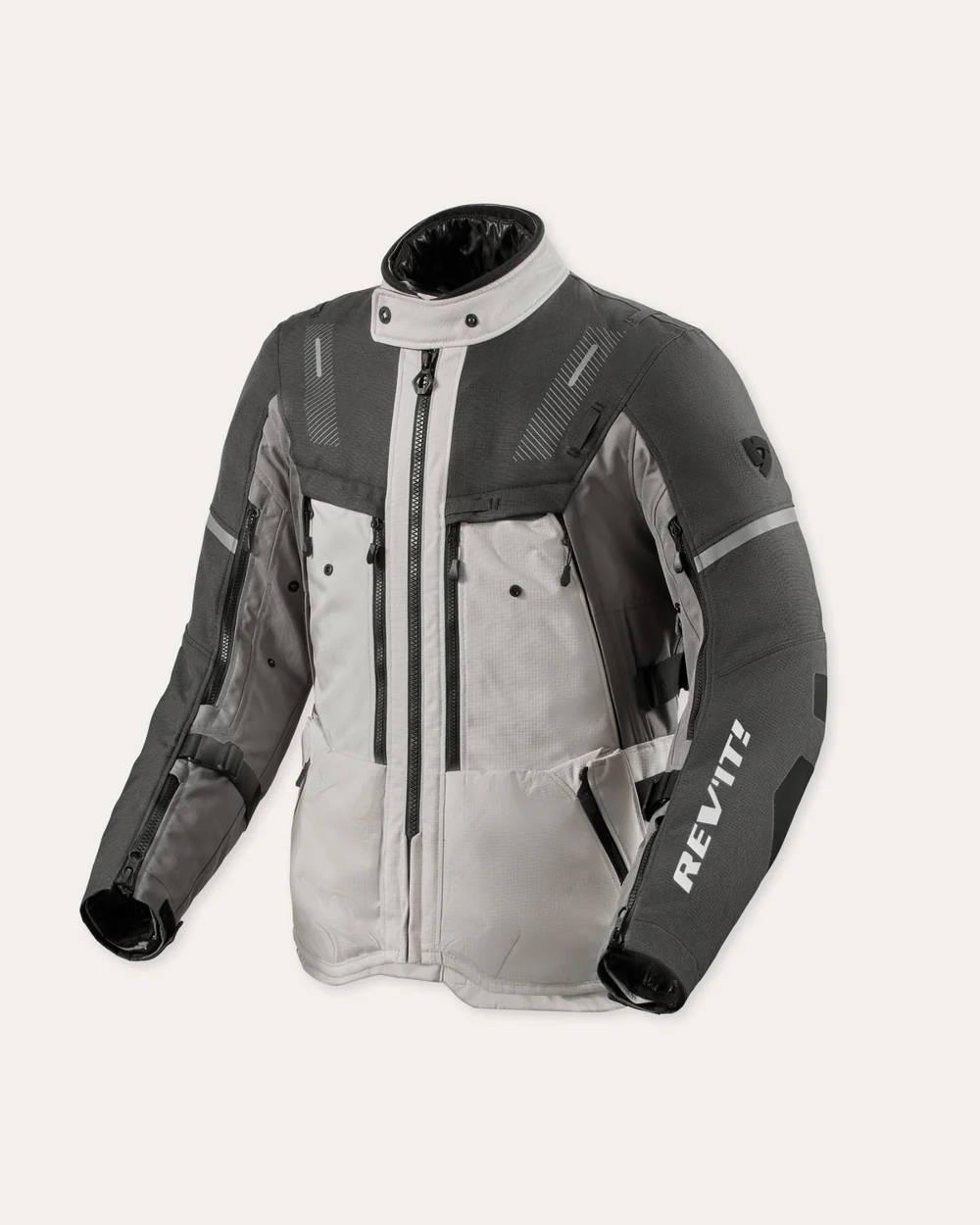
At €489.99, it combines a removable thermal liner with a hydratex 3L membrane worn inside or outside. SEEFLEX level 2 shoulder and elbow armour is included; the garment is AA. Rev'it specifications and price.
We would choose it for journeys starting cold and finishing in milder conditions. Wearing the rain layer outside helps prevent the protective shell becoming soaked. The trade-off is managing layers: you need somewhere to put what you remove, and to anticipate when to fit it again.
- Best: adapts to weather changes and gives more freedom when the layers come out.
- Worst: more preparation as conditions change and a higher purchase price.
- For whom: touring and longer trips across seasons. Sand 5 review →
Lined leather: separate dry weather, rain and intense cold
Insulated leather can suit cooler rides, but check which areas the insulation covers and whether there is waterproofing. A thermal vest leaves your arms without that additional insulation. A leather-and-mesh garment still needs its liners in cold weather. We do not attach a temperature limit the manufacturer does not guarantee.
Alpinestars GP Plus V4: sport leather for dry rides
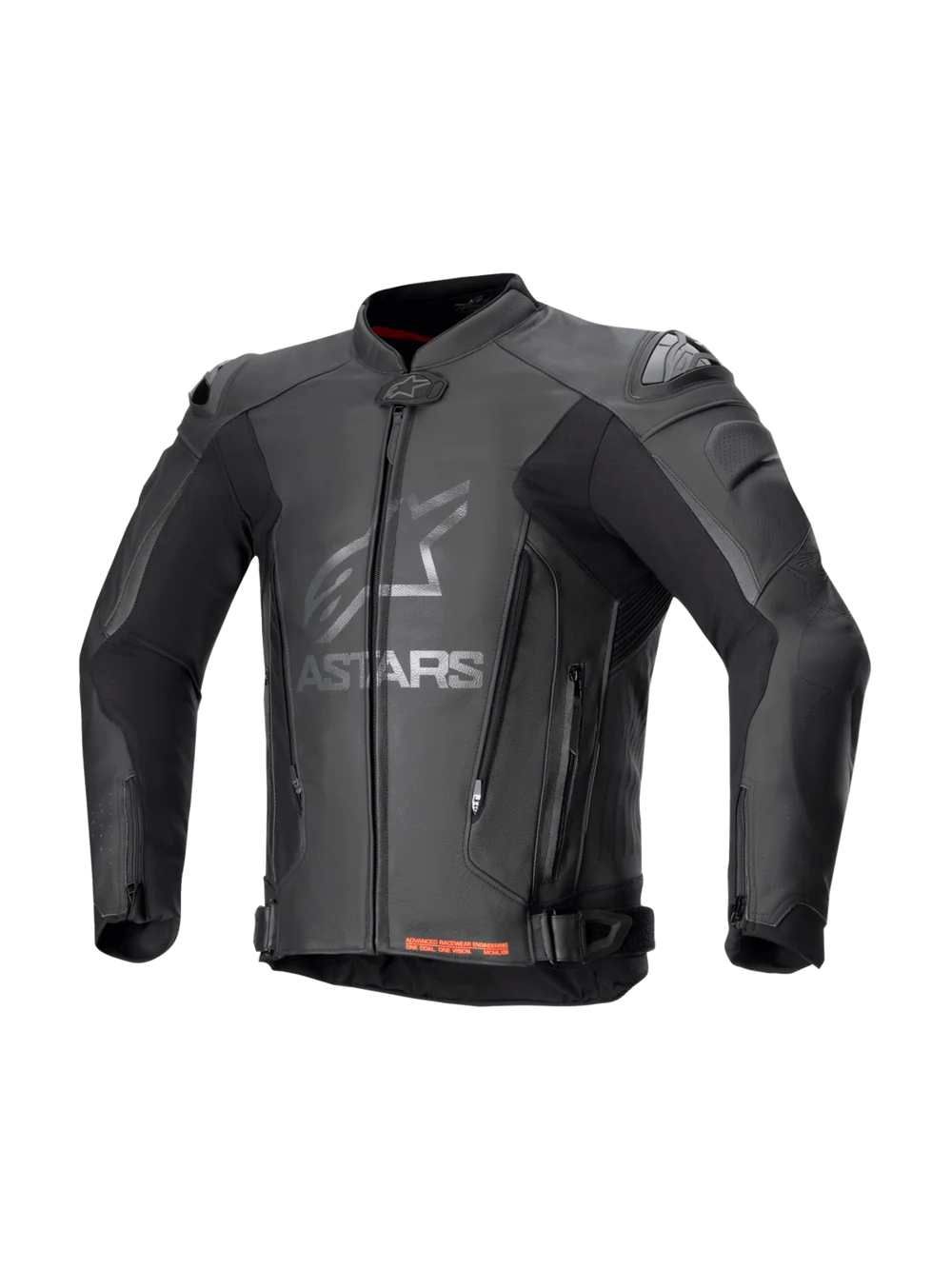
The standard version costs €569.95, includes a removable 80 g thermal vest and lists EN 17092 AA, with level 1 shoulder and elbow armour. Official Alpinestars Spain listing. Similarly named variants exist: this comparison covers neither Airflow nor Rideknit.
We would consider it for sport road rides in dry, moderately cold weather. A vest is different from a full-sleeve liner; the specification does not list a waterproof membrane either. If you need to ride through rain, budgeting for and carrying a properly fitting rain shell is part of the decision.
- Best: sport cut with removable extra insulation.
- Worst: prolonged cold and rain require additional layers; the vest does not insulate your arms.
- For whom: riders who prefer sport leather and choose dry days.
Rev'it Ignition 4 H2O: the hybrid alternative
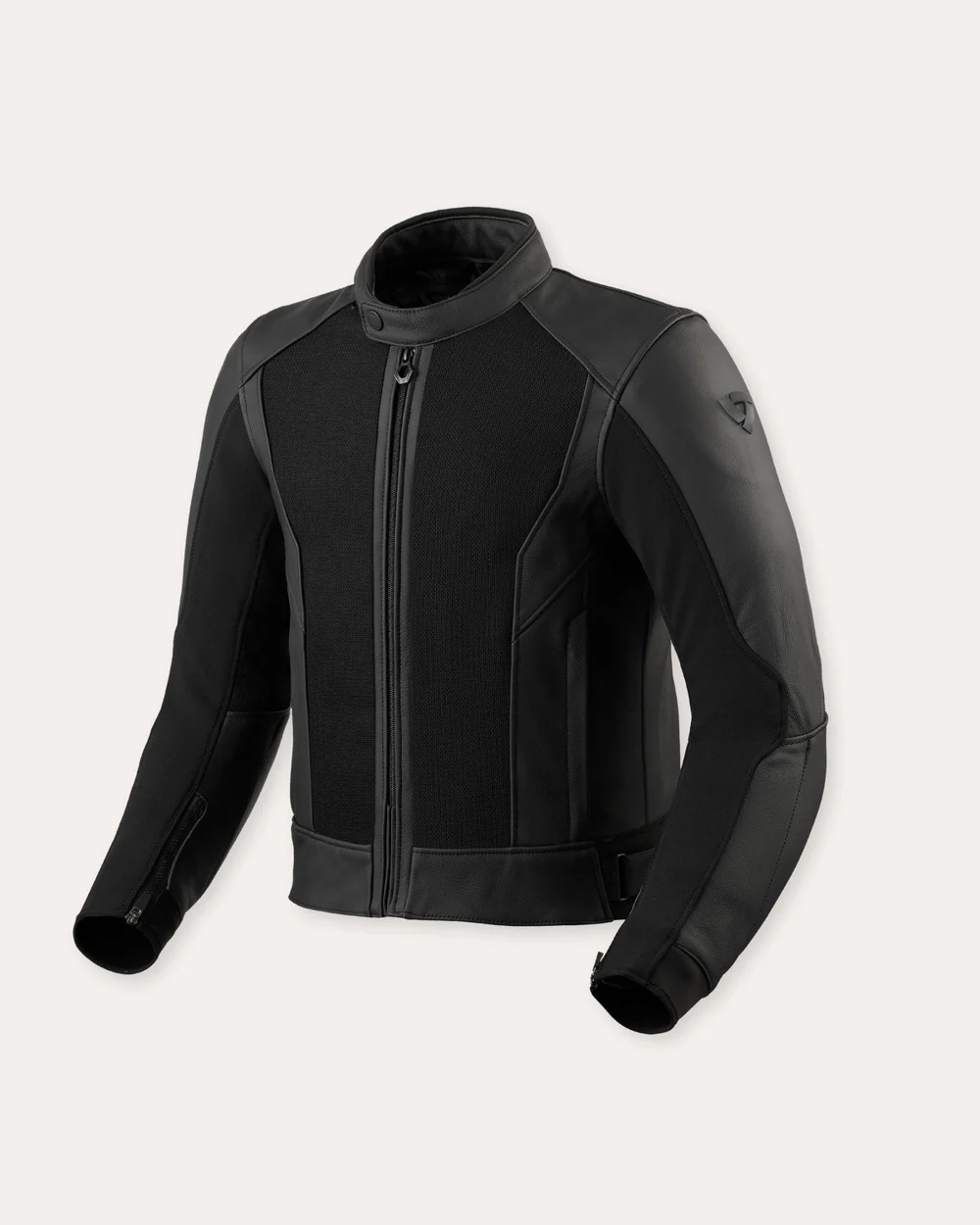
At €499.99, it blends leather and PWR|Shell mesh with removable thermal and hydratex|Lite waterproof liners. SEEFLEX level 2 shoulder and elbow armour is included; the garment is AA. Rev'it describes it as a three-season jacket.
This is a compromise for riders wanting leather and adaptation to variable weather. Its mesh explains why we would choose a closed touring design first for intense winter cold: the liners are needed when temperatures drop. With waterproofing inside, the outer layer remains exposed to rain.
- Best: leather with waterproofing and insulation included, both removable.
- Worst: it is not a dedicated deep-winter jacket; you have to manage the liners.
- For whom: between-season rides and mild winter days with a preference for leather.
What to check before buying
- Garment and armour separately: A or AA is the jacket's class; level 1 or 2 describes its protectors. Material alone does not determine which protects more.
- Neck, cuffs and trouser connection: check fit in your riding position to limit drafts and keep armour correctly placed.
- Your actual layers: try the jacket with what you will wear underneath, without compressing the insulation or leaving it excessively loose.
- The complete budget: allow for compatible back protection, layers and, for leather without a membrane, an external rain shell.
- The whole outfit: a jacket cannot solve cold hands and feet by itself. See our winter glove comparison to complete your kit.
Our choice
For wet daily riding on a tighter budget, we would look at a discounted Tempest 3 and check size and certification. For trips across changing weather, we would pay for the Sand 5's modularity. For dry sport rides, the GP Plus V4 makes sense with appropriate layers. The Ignition 4 suits riders wanting leather with liners who accept its three-season design.
The decision rests on your actual riding conditions: rainfall, journey length and whether the same jacket must work in heat too. The cover is an editorial illustration of generic garments; individual model images are real manufacturer photographs.


